Read more about the article The Lack of Controversy Over the Trinity in the First Century Church
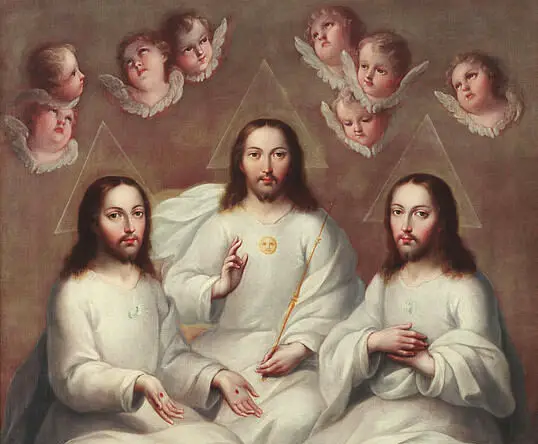
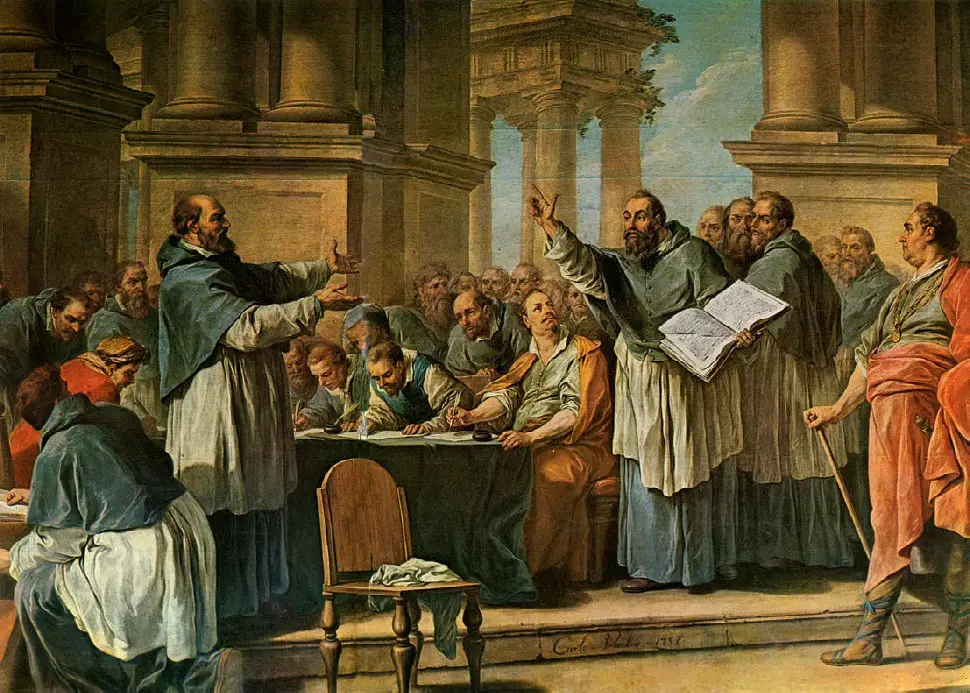
by Charles-Andre van Loo, c. 18th century

The Lack of Controversy Over the Trinity in the First Century Church

That controversies existed among believers in the early Church cannot be denied. Not only did disputes arise between Jewish believers, those first to follow the Jewish Christ, but they also occurred between Jewish believers and Gentiles who had converted to the Way. [1]The types of controversies and conflicts recorded in the Bible vary in nature and degree. For example:The apostles argued among themselves as to who was the greatest. [2]Hellenistic Jewish Christians contended with Hebraic Jewish Christians for neglecting their widows in the daily distribution of…

0 Comments
Read more about the article Sola Scriptura and the Doctrine of the Trinity
The Holy Trinity by Andres Lopez, 1780

Sola Scriptura and the Doctrine of the Trinity

Many Protestant Christians are familiar with the phrase “sola scriptura,” the Latin term that gained prominence during the Reformation movement of the 16th century.  “Sola,” meaning alone and “Scriptura,” referring to Scripture, emphasizes the belief that the Bible is the highest authority for the Christian faith and practice, taking precedence even over long-held Church traditions.[1]Martin Luther, the German-born, Augustinian monk[2] and arguably the best-known of the reformers, came to understand that many of the Catholic Church’s positions contradicted Scripture. When he challenged the Catholic Church’s…

0 Comments

The Creed of 1 Timothy 3:16: God Revealed in the Flesh?

There are many examples in Scripture of what scholars consider to be the earliest creeds, that is, concise statements of faith.  For example, Moses taught the Jews that God is one:Deuteronomy 6:4 (NASB) "Hear, O Israel! The LORD is our God, the LORD is one!This foundational creed is known as the Shema because the first word of the creed in Hebrew is shema (or shama), which means to hear.  Jesus adhered to this creed and said that to love this singular God was the foremost…

4 Comments
Read more about the article Do the Creeds Reflect the Church’s Earliest Theology?
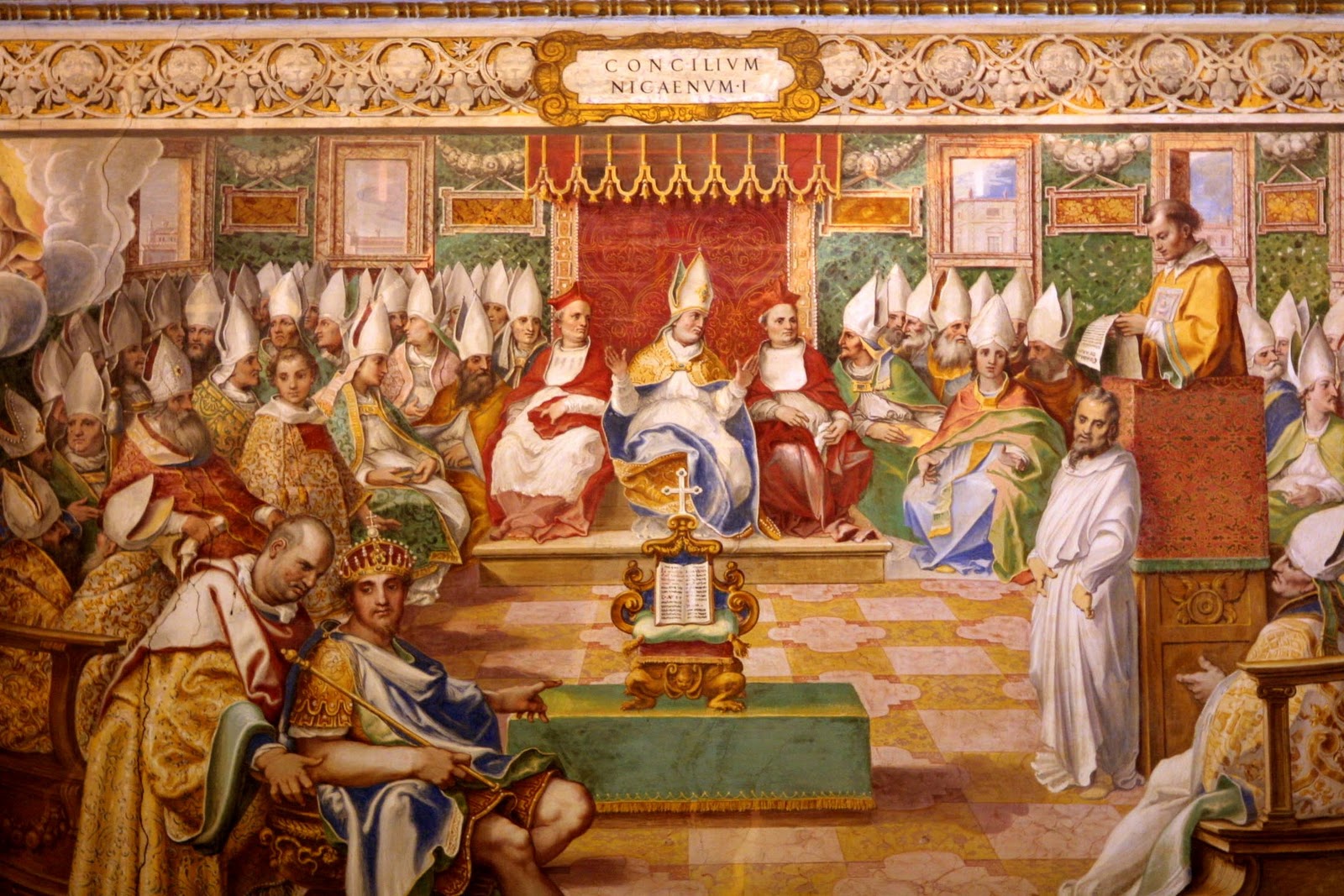
Council of Nicaea, 16th century fresco

Do the Creeds Reflect the Church’s Earliest Theology?

Many Christians have been told that the doctrine of the Trinity was passed down through the ages, unchanged from the 1st century to the present.  If this is the case, we should be able to trace a consistent creedal testimony through the chronicles of Church history.  In this article, we will examine post-Biblical creedal statements as they pertain to a belief in God to determine if their theology developed over time or if it is consistent with Scripture, and therefore, the theology of the first…

0 Comments
Read more about the article Jesus, A Man Under Authority
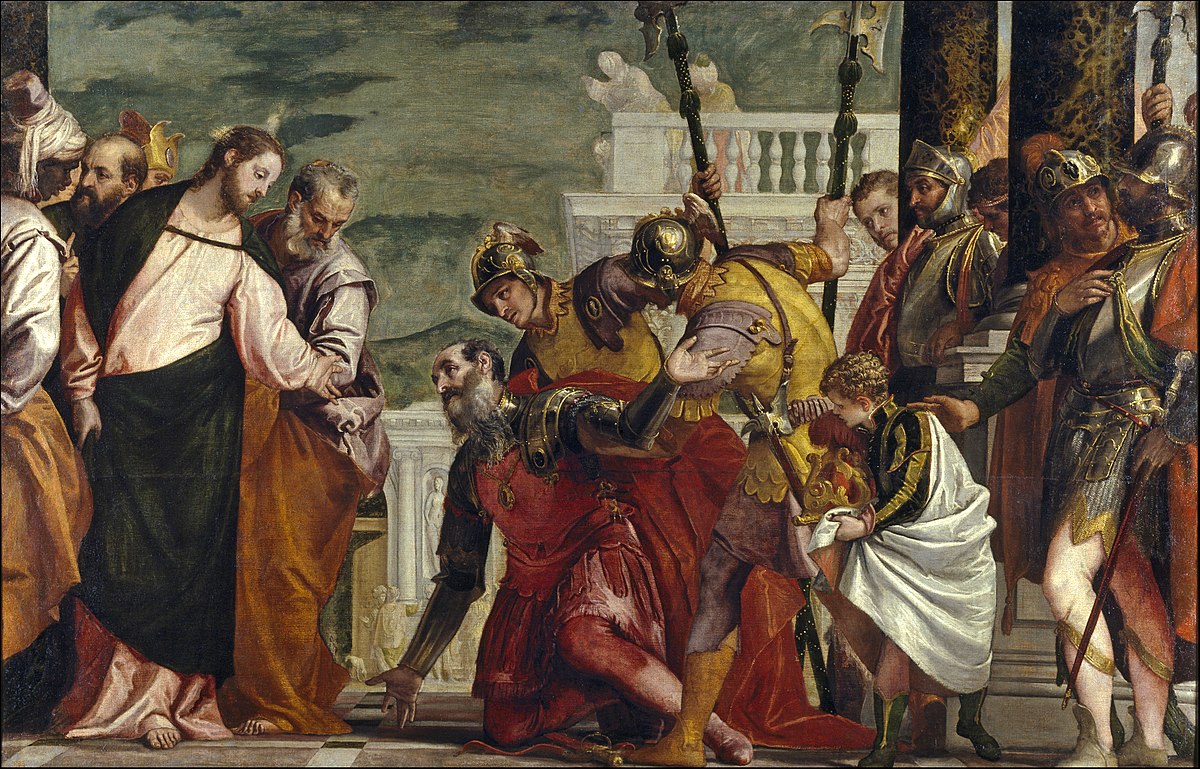
Christ and the Centurion, by Paolo Veronese, 16th century

Jesus, A Man Under Authority

In first-century Rome, a centurion was a military officer in charge of a centuria,[1] the smallest unit of soldiers within a legion.  Each centurion was ranked and assigned various levels of authority and responsibility, with the first ranking centurion of the first ranking cohort, being called the primus pilus or first spear.[2]  The centurion was said to be in the middle of the Roman military hierarchy, having men who ranked in authority both above and below him.[3] We see this hierarchy referenced in an exchange between…

0 Comments

The Evolution of the Doctrine of the Trinity

This is a well written article detailing the historical development of the doctrine of the Trinity.  It is being shared here with the permission of its author.  The original can be found at The Trinity on Trial website.   The Evolution of the Doctrine of the TrinityModern Christians owe a debt of gratitude to the early church. Her legacy of courage under persecution stands to this day as a bold testimony of faith. However, this legacy tends to overshadow the devastating impact of false teachers who…

8 Comments

The Importance of Reading the Bible as a Jewish Book

The Bible is a Jewish book.  Although we read it, study it and memorize it in English, it is not an American book.  All but one of its forty or so authors was Jewish, and it was written from a decidedly Hebraic perspective.  Therefore, in order for us to understand its meaning, we must read it in the way its authors and God intended it to be read.  What were they trying to communicate to their original audience?  How would they have understood it? These…

2 Comments
Read more about the article How Plato Influenced Our View of God
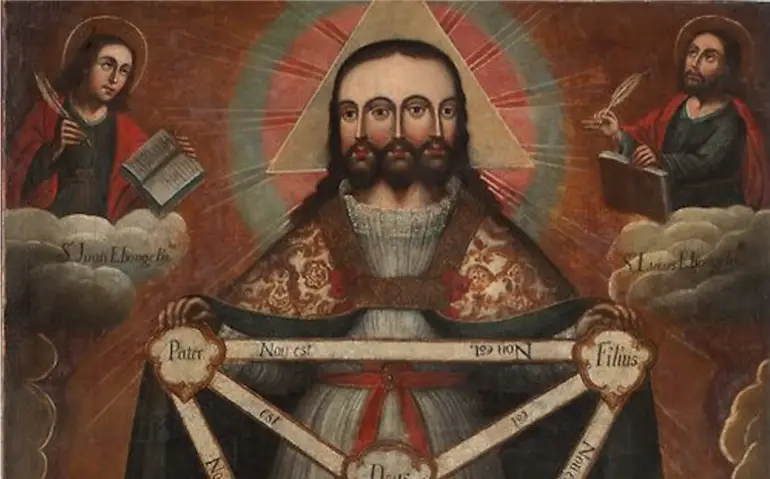
Trifacial Trinity: Anonymous, Cusco School c. 1750

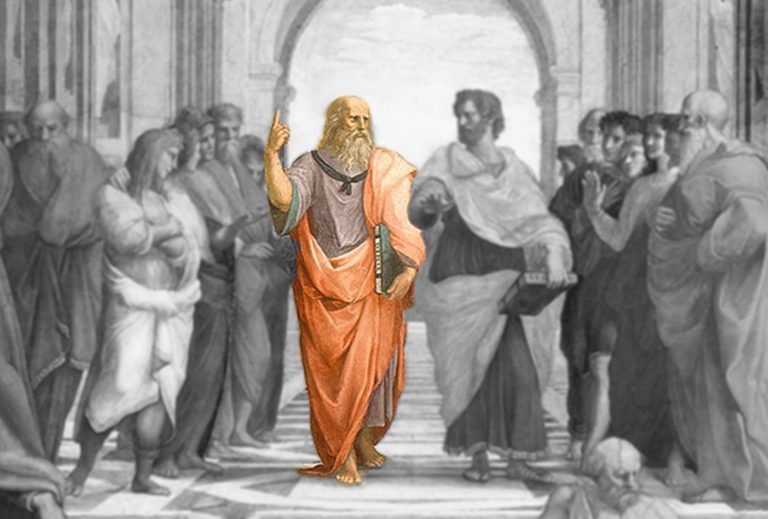
How Plato Influenced Our View of God

Many Christians sitting in the pew believe that their view of God, indeed orthodoxy's view, is derived solely from the Bible.  They would never suspect, however, that the roots of their belief in a triune God comes, not from Scripture, but from Greek philosophy.  Nor could they imagine that the respected early Church Fathers were to blame for synthesizing pagan philosophy, such as Plato's, with the sacred texts.  While the average Christian is unaware of such matters, Biblical scholars find this to be old news.…

10 Comments